*标题:**荒地上的光明工程
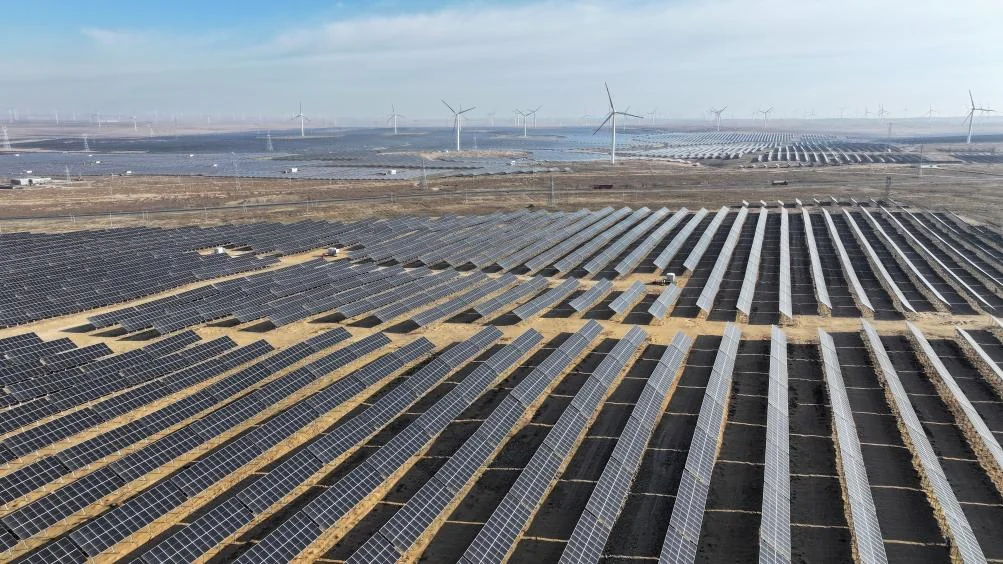
*新闻摘要:**2月28日,宁夏灵武二期光伏项目完成试运行并正式移交生产,标志着宁夏灵武400万千瓦采煤沉陷区复合光伏基地建成投运。至此,覆盖18万亩、总装机600万千瓦的宁夏采煤沉陷区复合光伏基地全面建成,项目通过灵绍直流向浙江“西电东送”,每年可输送约108亿度清洁电能。
该基地由宁东200万千瓦与灵武400万千瓦两部分组成,建成投运后可满足约720万个家庭一年的用电需求,年可节约标煤约324万吨。项目采用“光伏+生态+畜牧”的模式,利用备采区、采空区、沉陷区与荒山荒坡,形成“板上发电、板下种植、板间养殖、治沙改土”的四位一体循环产业链,兼顾经济收益与生态修复。
*思考与启发:**把受损土地变成既能发电又能种养的复合基地,让人看见劳动与智慧的力量。这种把自然资源负责任地治理并分享给社区的做法,是日常守望与互助的具体体现。
天经里提醒我们信靠主的供应,同时也要脚踏实地去做,勤劳守诚、互相扶持,才能把当下的资源变成能用的、能养人的福祉。愿更多人以务实的态度参与到守护土地和邻里的工作中去。
经文:主是我的牧者,我必不致缺乏。 《宰逋尔·诗篇 23:1》 链接:📖 查看经文
### English Translation
Title: Bright Project in the Wasteland
News Summary:
On February 28 the second phase of the Lingwu photovoltaic (PV) project in Ningxia finished its trial run and was formally handed over for production. This marks the completion and commissioning of the 4 million‑kilowatt (MW) combined PV base built on a former coal‑mining subsidence area in Lingwu. The whole complex now covers 180,000 acres and has a total installed capacity of 6 MW, making it the fully finished Ningxia coal‑subsidence combined PV base. Power generated here is transmitted via the Ling‑Shao DC line to Zhejiang as part of the “west‑to‑east” power‑delivery scheme, supplying about 10.8 billion kilowatt‑hours of clean electricity each year.
The base consists of a 2 MW section in Ningdong and a 4 MW section in Lingwu. Once fully operational it can meet the annual electricity needs of roughly 7.2 million households and save about 3.24 million tonnes of standard coal per year. The project uses a “PV + ecology + livestock” model. By utilizing former mining areas, goaf zones, subsidence lands, and barren hillsides, it creates a four‑in‑one circular industry chain: solar panels generate power, the land beneath is used for crops, the spaces between panels are used for animal husbandry, and the area is re‑vegetated to combat desertification and improve soil. This approach balances economic return with ecological restoration.
Reflection and Insight:
Turning damaged land into a place that both produces clean energy and supports agriculture and animal husbandry shows the power of hard work and wisdom. Managing natural resources responsibly and sharing the benefits with the surrounding community is a concrete expression of everyday vigilance and mutual aid.
The Tianjing (Heavenly Scripture) reminds us to trust God’s provision, but it also calls us to work faithfully and support one another. Through diligent, honest effort and cooperation we can turn present resources into tangible blessings that feed and sustain people. May more people adopt a practical attitude and join in caring for the land and their neighbors.
Scripture:
“The Lord is my shepherd; I shall not want.” Psalm 23:1
Link: https://www.huizu-tianjing.icu/zaibuer/shipian/23
来源:http://nx.xinhuanet.com/20260228/8a0e539f2c8b4c1cba855edbb2db30a5/c.html